
Greater scientific impact, less animal testing

Greater scientific impact, less animal testing
VitalTissue aims to optimally match the need for human residual tissues by scientists with the supply of human residual tissues from participating hospitals. To further expand and optimise the collaboration with participating hospitals and research institutes, VitalTissue wants to better identify the need for residual tissues by research institutes and therefore likes to get in touch with researchers who want to use residual tissues for their scientific research.
Currently, VitalTissue can mediate in the provision of the following human tissues: intestine, skin, liver, fat, heart, blood vessel, stomach, gall bladder, spleen, cartilage, bone and skeletal muscle. Tissue requests will be assessed on the basis of feasibility and availability.
Researchers are eager to collaborate with VitalTissue. Unfortunately, this is not always possible in practice due to financial reasons. Although VitalTissue operates on a non-profit basis and therefore keeps its service fees as low as possible, a transaction fee of €500.00 (excluding transport costs) for providing residual tissues is necessary for optimal operational efficiency. These costs are often not budgeted. It is therefore advisable to account for this in the budget of new project applications and to include the transaction costs for the provision of residual tissues.

Case study:
Optimal quality of human residual colon tissue.
In collaboration with VitalTissue, TNO1 used the ex vivo InTESTine™ model to assess whether the human residual colon tissue provided by VitalTissue met the quality criteria validated for this model system. The data presented below, derived from two biological replicates, are representative of a series of four tissue shipments supplied by VitalTissue to TNO’s Unit for Health & Work between June and August 2026.1 met behulp van het ex vivo InTESTine™ model onderzocht of het door VitalTissue aangeleverde humaan colonrestweefsel voldoet aan de voor dit modelsysteem gevalideerde kwaliteitscriteria. Onderstaande data van twee biological replicates zijn representatief voor een serie van vier weefselleveringen die VitalTissue in de periode juni-augustus 2026 aan TNO, Unit Health & Work heeft verstrekt.
Logistics and transport.
Following its removal in the operating room, the residual tissue is collected in containers filled with a cold preservation buffer. The cooled tissue is transported securely in the buffer to the research facility, where it is used for scientific experiments on the same day.
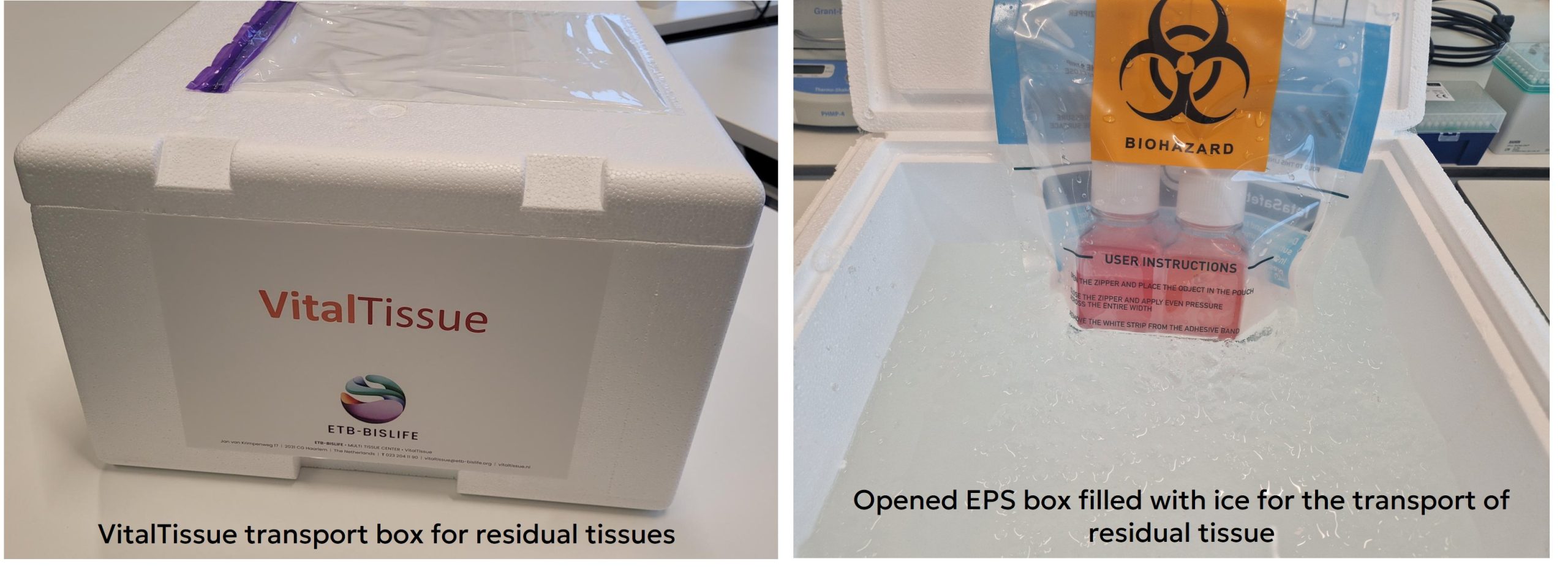
Figure 1. Human residual colon tissue is transported directly from the operating room in an EPS (expanded polystyrene) box on ice.
Isolation of the mucosal membrane from the residual colon tissue.
The functionality of the intestinal epithelium is assessed within the mucosal membrane, which is isolated from the colon tissue.
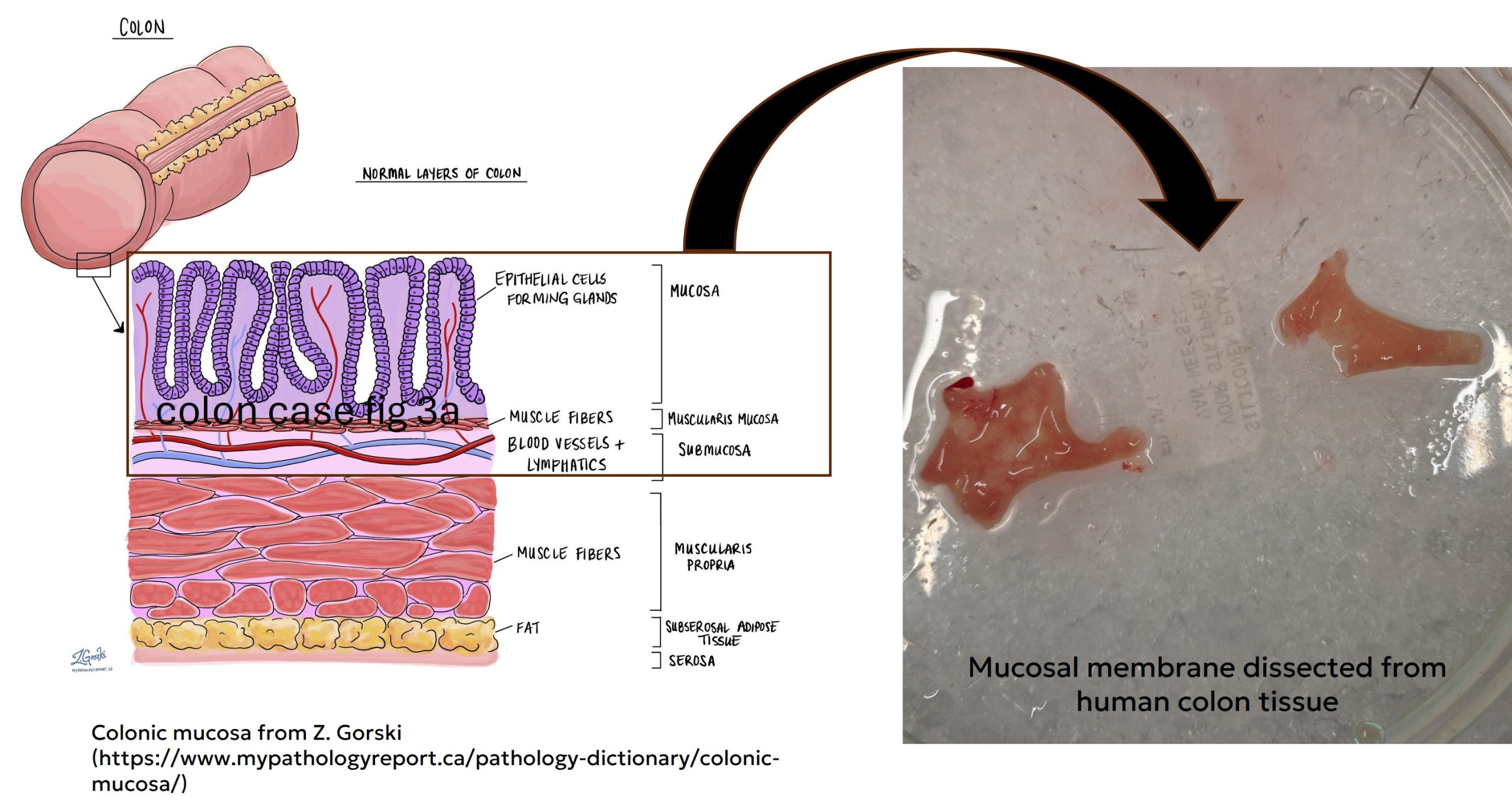
Figure 2. The mucosa and submucosa—which contain the intestinal epithelium—are isolated from the colon (large intestine) specimen while kept on ice in a Petri dish.
Quality control: Functionality and integrity of the intestinal epithelium.
The high quality of the residual colon tissue was demonstrated by measuring paracellular and transcellular transport across the mucosal membrane using the InTESTine™ ex vivo model system. These results confirm that the colon tissue is functional. In addition, specific biomarkers indicate that the intestinal epithelium is viable (minimal release of lactate dehydrogenase) and that the intestinal barrier remains intact (low permeability to FITC-labeled dextran 4000). ex-vivo modelsysteem. Hieruit blijkt dat het colonweefsel functioneel is. Daarnaast wijzen specifieke biomarkers uit dat het darmepitheel levensvatbaar is (minimale afgifte van lactaatdehydrogenase) en dat de darmbarrière intact is (lage permeabiliteit van FITC-gelabeld dextraan 4000).
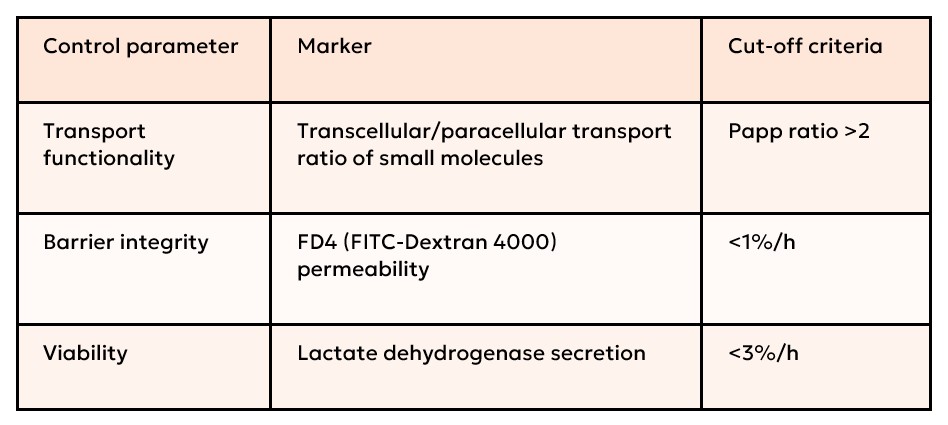
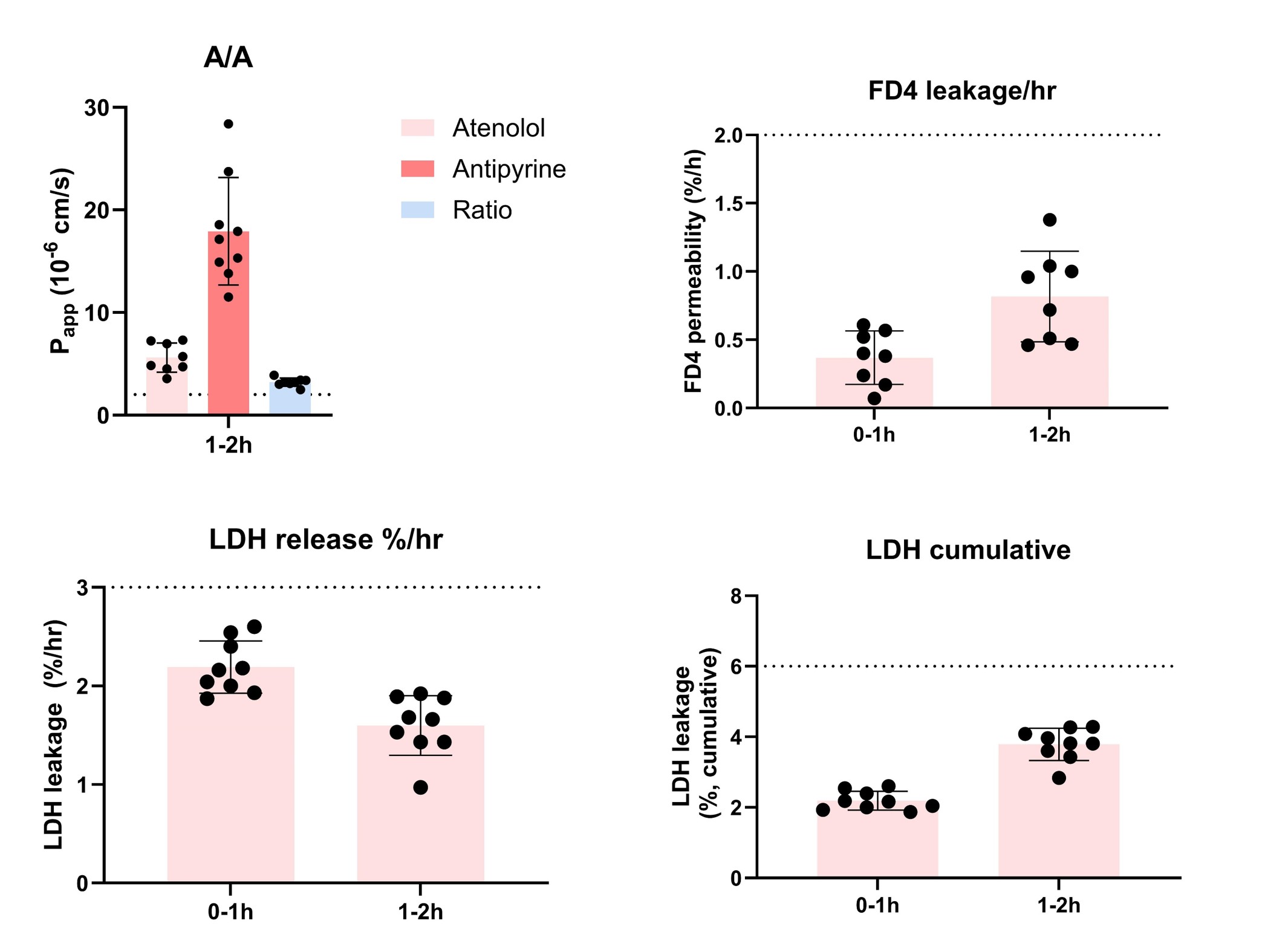
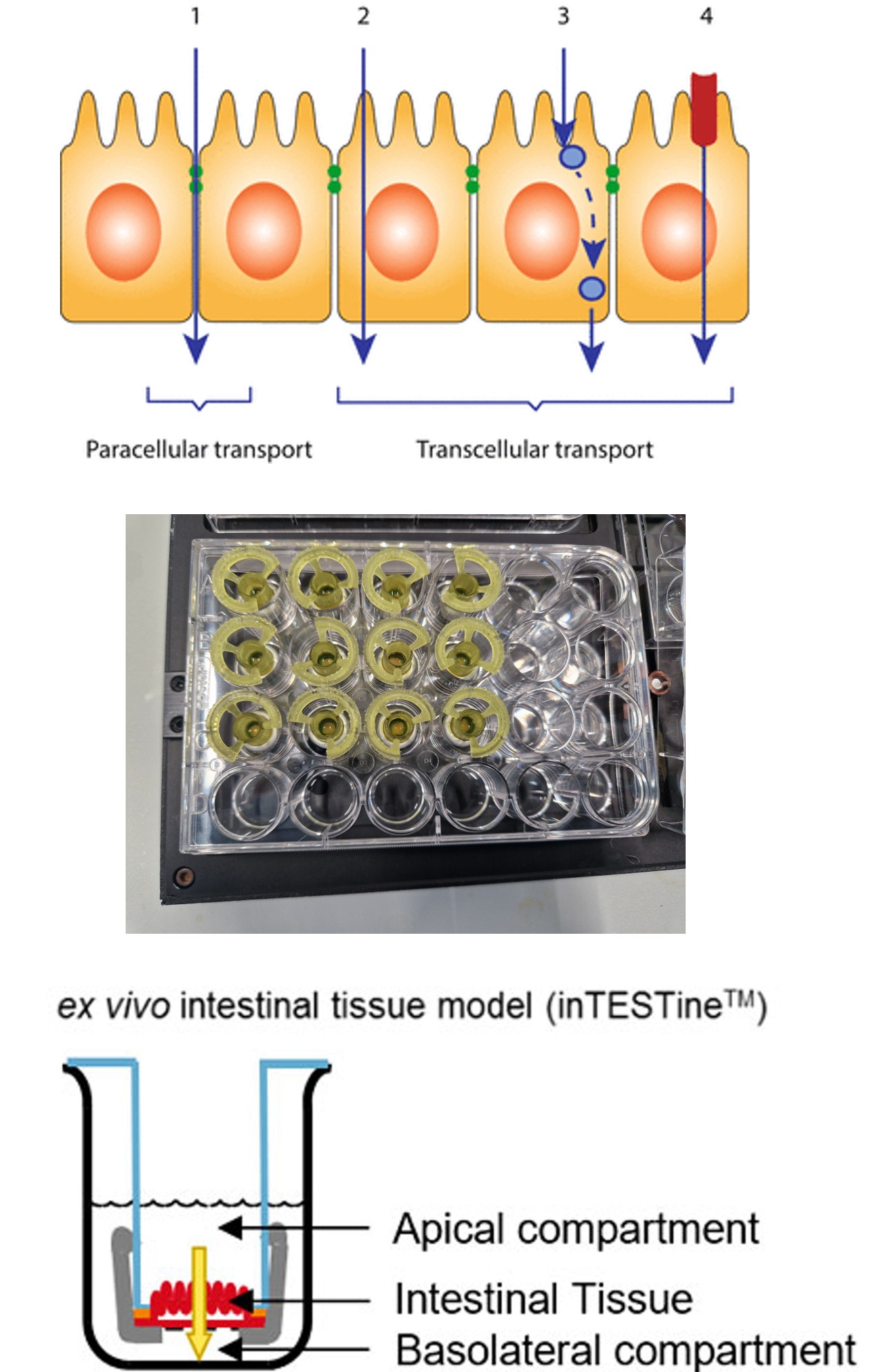
Figure 3. Results and test setup for colonic epithelium TNO1: the intestinal epithelium in the residual colonic tissue is intact and functional.1: het darmepitheel is intact en functioneel in colon restweefsel.
Conclusion.
This case study confirms the VitalTissue supply chain and quality assurance processes function optimally, ensuring that the physiological integrity and viability of human residual colonic tissue are fully preserved. This makes the material exceptionally well-suited for high-quality translational research and the development of New Approach Methodologies (NAMs), including advanced ex vivo model systems, organ-on-chip models, and organoids. ex-vivo modelsystemen, organ-on-chip modellen en organoids.
1 TNO Biomedical Research – Human Biology & DMPK (Drug Metabolism and Pharmacokinetics), unit Health & Work. https://www.tno-pharma.com/Intestine_en.html
Download the PDF file of this case study here .

Interested?
VitalTissue
[email protected]
Jan van Krimpenweg 17
2031 CG Haarlem